
The Mistake Most Households Make First
Almost every homeowner assumes the photo-eye sensors near the bottom of the track will catch anything in the door's path, so they stop thinking about the door as a hazard. It's an understandable assumption—modern openers are built with auto-reverse technology, and it works most of the time. But "most of the time" is doing a lot of work in that sentence. Sensors get knocked out of alignment, covered in dust, or fogged by condensation, and nobody notices until the door actually fails to stop. Treating the sensor as a guarantee, instead of a backup, is the single most common gap in household garage door safety.
How Bad It Can Actually Get
A standard garage door panel weighs more than people expect—commonly somewhere in the 150 to 400 pound range depending on material and size. That weight matters because the injuries aren't limited to a pinched finger. A door that comes down on a child's hand, foot, or a pet lying in the doorway can cause fractures, crush injuries, or worse, especially if the auto-reverse doesn't trigger in time.
The more routine injury is the pinch point between door sections as they fold while opening or closing. Kids are drawn to put their fingers right there out of curiosity, and older steel or wood doors without finger-safe panel design have almost no margin for error. Add in a wet entryway from our fall rains tracking moisture onto the sensor lenses or the floor near the track, and you get two problems stacking on top of each other: a slicker surface for a toddler or dog to stumble on, and a sensor that's more likely to misread the beam.
Remotes, Wall Buttons, and Curious Hands
The other overlooked risk is access. A wall-mounted control button installed at adult height for convenience is often still within reach of a determined four-year-old standing on a bike or a storage bin. A remote left in an unlocked car in the driveway, or a garage keypad with the factory code never changed, gives young kids and even curious pets (a paw on a low button is more common than people think) the ability to trigger the door with no adult present.
The Specific Steps That Prevent These Problems
- Test the auto-reverse monthly. Place a 2x4 or a paper towel roll flat on the ground where the door closes. The door should reverse immediately on contact. If it doesn't stop, or stops but doesn't reverse, stop using the opener until it's serviced.
- Check the photo-eye sensors for alignment and moisture. The two small sensors near the bottom of the track should have solid, steady lights, not blinking. Wipe them down with a dry cloth, especially after a stretch of damp weather, since condensation and dust both interfere with the beam.
- Install the wall control at least 5 feet up. This is the height recommended on most opener units specifically to keep it out of reach of young children, yet many homes still have it installed lower out of habit or convenience.
- Keep remotes out of parked cars and off low hooks. Store them somewhere a child can't casually find them, and change any default keypad code when you move in or after you've had work done on the system.
- Never let kids or pets play near a moving door. This sounds obvious, but garages double as mudrooms and dog-door entries in our climate, which means more foot traffic through that space during rainy months—more chances for a kid or dog to be underfoot right as the door cycles.
- Watch for signs the door is falling, not lowering. A door that drops quickly instead of moving at a steady pace is often a sign of spring failure. A broken spring removes the counterbalance that keeps the door's full weight from crashing down, and this is one of the more dangerous mechanical failures a garage door can have.
- Inspect the bottom panel seasonally. Wood and composite doors that sit in damp, shaded driveways can develop rot or warping, which changes how the bottom seals and can create uneven gaps or sharper edges along that pinch point.
When to Call Everett Garage Door
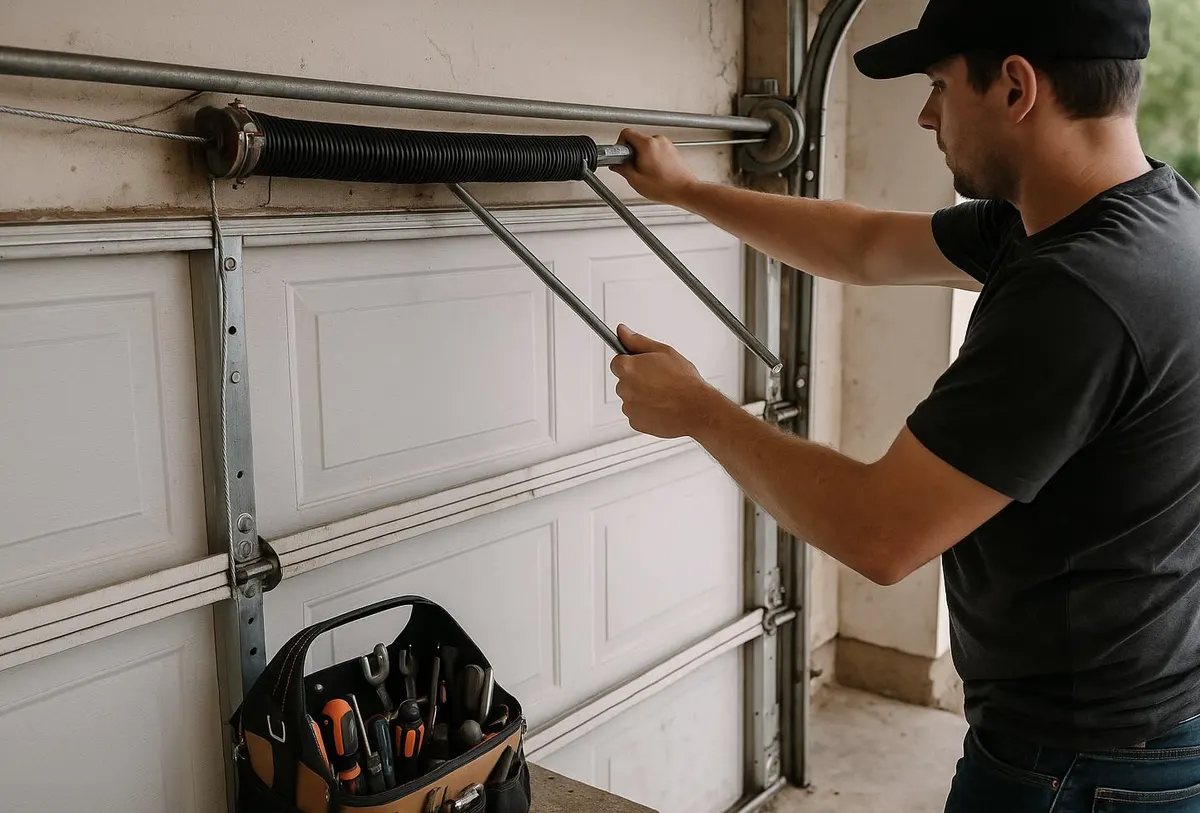
If your sensors won't hold alignment, your door reverses inconsistently, or you notice a spring that looks stretched, rusted, or visibly gapped, that's not a DIY fix—springs are under serious tension and are one of the more common sources of serious injury when handled without the right tools. Our garage door maintenance visits cover exactly this: sensor alignment, spring and cable inspection, hardware tightening, and a safety reversal test, so you know the system is actually doing what it's supposed to before a close call forces the issue. If a spring has already failed or the door is dropping unevenly, our spring replacement service gets it back to a safe, balanced state the same day in most cases.
If you're in Everett, Marysville, Lake Stevens, Mukilteo, Lynnwood, Mill Creek, Snohomish, or Edmonds and want a straightforward safety check before winter weather sets in, give Everett Garage Door a call. We'll explain exactly what we find and what it means for your household, no pressure, no jargon.